Guna Yala
Guna Yala: what to know before you visit the islands
· 6 min read
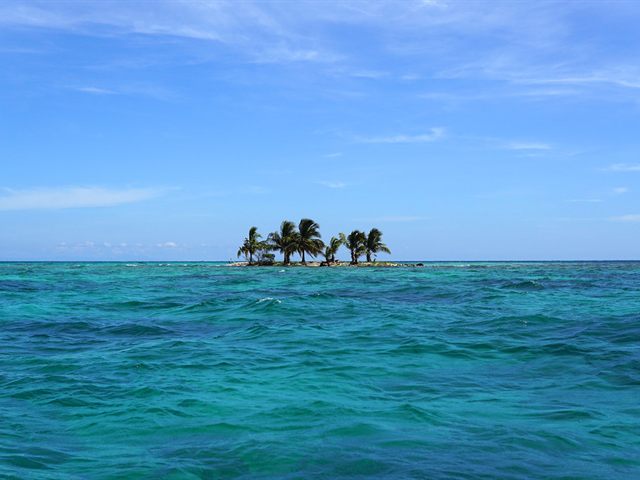
The San Blas islands are not a national park run from an office in the capital: they are the home of the Guna people, organised in an autonomous comarca that manages its own land, its own rules and its own tourism. Knowing that changes the way you visit — and a handful of practical points.
The $22 entry tax
Every visitor pays an entry tax to the comarca authorities — $22 per person, in cash, in US dollars, at the checkpoint on the way in. It is collected by the Guna authorities, not by the transport operators, and it is what funds the territory’s services. Bring it in cash: there is no card machine at the gate and no ATM on the islands.
The islands have families living on them
Some are tourist islands, some are villages, some are both. Ask before photographing people, buy molas from the women who make them rather than from a stall in the city, and treat a lodge as someone’s home, because it usually is. Alcohol is not sold on the islands — the comarca’s own rule, not ours.
What the money buys
- The entry tax funds the comarca — it is not a queue-jumping fee and it is never commissionable.
- Cabins, meals and excursions are run by island families; paying cash on the spot keeps the money in the islands.
- Prices are set by each island or operator, and they are not always posted — ask before you commit to an extra tour.
Our transfer stops at the comarca checkpoint on the way in, where you pay the $22 tax directly. No commission is taken on it by anyone — the figure goes to the Guna authorities, whole.
Frequently asked questions
- Is the entry tax really $22 and always in cash?
- Yes — $22 per person, US dollars, cash, at the comarca checkpoint on the way in. Bring small notes: change is limited. It is paid once per visit, however many islands you visit.
- Can I pay the tax by card?
- No. The checkpoint takes cash only, and the islands have no ATMs and almost no card machines. This is why the first line of our advice is always: carry cash in dollars.